
Understanding Breast Cancer: Types, Stages, Treatment, & Integrative Care
Updated: Oct 24

Hearing the words, “You have breast cancer,” can feel overwhelming. You may suddenly find yourself trying to understand unfamiliar medical terminology while wondering what treatment will involve, what questions you should be asking, and how your life may change.
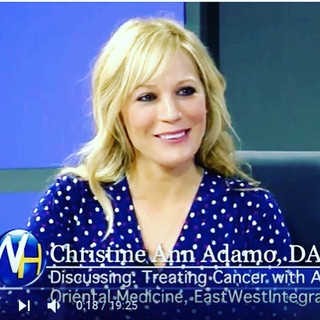
As an Integrative Oncology Specialist, my goal is to help you better understand your diagnosis, feel more confident communicating with your medical team, and learn about comprehensive approaches available to support you throughout your cancer journey.
It’s important to know that breast cancer is not one single disease. There are many different types and subtypes of breast cancer, and understanding the characteristics of your particular cancer is an important first step in understanding your treatment options.
What Is Breast Cancer?
Breast cancer develops when abnormal cells in the breast begin to grow and divide in an uncontrolled way. These cells can form a tumor and, in some cases, spread beyond the breast to nearby lymph nodes or other areas of the body.
Breast cancers can differ significantly in their biological characteristics. Factors such as hormone receptor status and HER2 status can influence how a cancer behaves, how quickly it may grow, and which treatments may be recommended.
Your pathology report contains important information about these characteristics and can provide valuable insight into your specific diagnosis. Learning to understand your pathology report can help you feel more informed and prepared when discussing your diagnosis and treatment options with your oncology team.
The Different Kinds of Breast Cancer
There are several different types of breast cancer. The distinction between them is important because treatment recommendations can vary considerably.
Ductal Carcinoma In Situ
Ductal carcinoma in situ, or DCIS, is a noninvasive form of breast cancer. The abnormal cells are located within the milk ducts and have not invaded surrounding breast tissue. While DCIS has not invaded beyond the ducts, some cases can progress to invasive breast cancer if left untreated. Treatment recommendations may include surgery, radiation, endocrine therapy, or a combination, depending on the individual situation.
Invasive Ductal Carcinoma
Invasive ductal carcinoma, or IDC, is the most common type of invasive breast cancer. It begins in the milk ducts and then grows into surrounding breast tissue. IDC can vary significantly from one person to another based on hormone receptor status, HER2 status, grade, stage, and other biological characteristics.
Invasive Lobular Carcinoma
Invasive lobular carcinoma, or ILC, begins in the milk-producing glands of the breast called lobules. ILC can sometimes have a different pattern of growth than ductal breast cancer and may be more difficult to detect on certain types of imaging. Treatment depends on the individual characteristics of the cancer.
Inflammatory Breast Cancer
Inflammatory breast cancer is a relatively uncommon and more aggressive form of breast cancer. It may cause swelling, redness, warmth, skin changes, or an appearance resembling inflammation of the breast. A distinct lump is not always present. Because inflammatory breast cancer can progress quickly, prompt evaluation and treatment are important.
Paget Disease of the Breast
Paget disease of the breast is a rare form of breast cancer involving the nipple and surrounding areola. It may cause changes such as redness, scaling, irritation, itching, discharge, or changes in the appearance of the nipple. Because these symptoms can resemble common skin conditions, persistent changes should be evaluated by a healthcare professional.
Other and Less Common Breast Tumors
There are also less common breast malignancies, including certain sarcomas, phyllodes tumors, and other rare cancers. If you’ve been diagnosed with an uncommon breast cancer, it can be particularly valuable to work with an oncology team experienced in that specific diagnosis.
Understanding Your Breast Cancer Biomarkers
One of the most important aspects of a breast cancer diagnosis is understanding the biological characteristics of the cancer. Your pathology report may include several biomarkers that help your oncology team determine which treatments may be appropriate.
Estrogen and Progesterone Receptors
Breast cancer cells may have receptors for the hormones estrogen and progesterone.
If your cancer is estrogen receptor positive (ER+) or progesterone receptor positive (PR+), hormonal signaling may contribute to cancer growth. ER+ and/or PR+ breast cancer is often treated with endocrine therapies designed to reduce hormonal stimulation of cancer cells or block the effects of these hormones.
HER2
HER2 stands for human epidermal growth factor receptor 2. Some breast cancers have higher levels of HER2 protein or amplification of the HER2 gene. These cancers are referred to as HER2 positive. HER2 targeted therapies have significantly expanded treatment options for people with HER2 positive breast cancer.
Triple Negative Breast Cancer
Triple negative breast cancer does not have significant expression of estrogen receptors, progesterone receptors, or HER2.
Because endocrine therapies and HER2 targeted therapies are generally not effective against triple negative breast cancer, treatment approaches usually differ from those used for hormone receptor positive or HER2 positive disease. Depending on the individual diagnosis, treatment may include chemotherapy, immunotherapy, surgery, radiation, targeted therapies, or clinical trials.
Other Biomarkers and Molecular Testing
Depending on your diagnosis, your oncology team may recommend additional testing. This may include Ki-67, genomic assays, genetic testing, or other molecular tests. These tests can provide additional information about tumor biology and, in some situations, help guide treatment decisions.
If you’ve recently received a pathology report, understanding the terminology can feel overwhelming. Consider asking your oncology team to explain each important biomarker and how it relates to your treatment plan.
Understanding Breast Cancer Staging and Grading
Two important terms you may hear after a breast cancer diagnosis are stage and grade. They describe different characteristics of the cancer.
Breast Cancer Stage
Cancer stage describes how extensive the cancer is within the body. Breast cancer is generally categorized from Stage 0 through Stage IV.

Staging can be more complex than these general descriptions suggest. Your stage may depend on tumor size, lymph node involvement, distant spread, biomarkers, and other factors.
Breast Cancer Grade
Grade describes how abnormal the cancer cells appear under a microscope and provides information about how aggressively the cells may behave. A higher grade generally means the cancer cells appear more abnormal and may grow more quickly than lower-grade cells.
Stage and grade are not the same thing. A cancer can be an early stage but have a higher grade, or a more advanced stage with a lower grade. Your oncology team will consider these and other characteristics when developing your treatment plan.
Breast Cancer Demographics
Breast cancer is one of the most commonly diagnosed cancers among women; however, it can also develop in men.
Risk and outcomes can vary according to age, genetics, family history, race and ethnicity, reproductive history, environmental exposures, metabolic health, lifestyle factors, and many other variables.
Causes and Risk Factors
Like all cancers, there is rarely one single cause of breast cancer. Breast cancer is a multifaceted disease that develops through a complex interaction of genetic, hormonal, environmental, metabolic, microbiome, and lifestyle factors.
Some recognized risk factors include:
Increasing age
Family history of breast cancer or ovarian cancer
Inherited genetic variants such as BRCA1, BRCA2, and PALB2
Certain previous breast conditions
Dense breast tissue
Previous radiation therapy to the chest
Certain reproductive and hormonal factors
Some menopausal hormone therapies
Alcohol consumption
Physical inactivity
Excess body weight, particularly after menopause
Inflammation
Immune Function
Having one or more risk factors does not mean that someone will develop breast cancer. Likewise, someone without known risk factors can still develop breast cancer.
Signs and Symptoms of Breast Cancer
Breast cancer can sometimes be detected before symptoms develop through screening and imaging.
When symptoms do occur, they may include:
A new lump or thickening in the breast or underarm
A change in breast size or shape
Changes in the skin of the breast
Nipple inversion or other nipple changes
Nipple discharge, particularly bloody discharge
Persistent breast or nipple pain
Redness, swelling, warmth, or skin changes
Many breast changes are not cancerous. However, a new or persistent change should be evaluated by a qualified healthcare professional.
Conventional Breast Cancer Treatment Options
Breast cancer treatment is highly individualized. Depending on the type and stage of breast cancer, treatment may include one or more of the following:
Surgery
Surgery may involve removal of the tumor, part of the breast, the entire breast, and sometimes nearby lymph nodes.
Radiation Therapy
Radiation uses targeted radiation to destroy cancer cells and may be recommended after surgery or in other clinical situations.
Chemotherapy
Chemotherapy uses medications that destroy or inhibit rapidly dividing cancer cells. Chemotherapy may be given before surgery, after surgery, or as part of treatment for advanced disease.
Endocrine Therapy
For hormone receptor positive breast cancers, endocrine therapies may reduce the effects of estrogen or other hormonal signaling.
Targeted Therapy
Targeted therapies are designed to act on specific characteristics of cancer cells. Examples include therapies directed toward HER2 and other molecular targets.
Immunotherapy
Immunotherapy works by helping the immune system recognize and respond to cancer cells. It may be appropriate for certain breast cancers, including some triple negative breast cancers.
Clinical Trials
Clinical trials can provide access to investigational treatments and may be an option when standard treatment options are limited or when a person is interested in contributing to research.
If you’re interested in clinical trials, ask your oncology team what trials may be appropriate and available for your particular diagnosis, stage, biomarkers, and treatment history.
Integrative Oncology Care
Integrative oncology supports the whole person alongside conventional cancer treatment. It combines evidence-informed strategies, including nutrition, physical activity, acupuncture, mind-body practices, emotional support, stress management, and carefully selected natural therapies, to provide comprehensive care that addresses physical and emotional well-being throughout the cancer journey.
To learn more about integrative oncology and how it complements conventional cancer treatment, read Integrative Oncology: A Comprehensive Approach to Cancer Treatment and Wellness.
Integrative oncology does not replace conventional cancer treatment. Instead, it helps patients manage symptoms and treatment side effects while supporting their overall physical and emotional well-being. Your integrative care plan should be individualized to your diagnosis, treatment plan, medications, symptoms, laboratory findings, nutritional status, and personal goals.
Personalized Nutrition
Nutrition is one of the foundations of health and recovery. During cancer treatment, nutritional needs can change significantly. Surgery, chemotherapy, radiation, endocrine therapy, immunotherapy, and other treatments may affect appetite, digestion, taste, blood counts, body weight, muscle mass, and nutrient requirements.
My approach to nutrition is personalized rather than based on a single “cancer diet.” Nutritional recommendations should take into consideration your diagnosis, treatment plan, laboratory findings, digestive health, nutritional status, medications, symptoms, and personal preferences.
The goal is to help you obtain the nutrients your body needs while supporting strength, healing, energy, and overall well-being.
Personalized nutrition guidance is my recommendation for anyone navigating cancer treatment or recovery. However, I also recognize that knowing where to begin can feel overwhelming, particularly immediately after a diagnosis.
For this reason, I offer two complimentary educational nutrition classes as a first step to learning and identifying areas you may want to explore more personally.
Nutrition for Healing During Cancer Treatment provides general nutrition education and practical information for supporting the body during cancer treatment.
Nutrition for Healing After Cancer Treatment focuses on nutrition and healthy lifestyle strategies that can support recovery and survivorship after treatment.
Physical Activity and Exercise
Physical activity can play an important role in maintaining strength, mobility, cardiovascular health, mood, and overall quality of life during and after cancer treatment. The appropriate level and types of activity that's best for you depends on your overall health, physical condition, and any treatment-related limitations.
It’s important to note that physical activity does not necessarily mean intense exercise. Also, walking, swimming, cycling, resistance training, weight training, and other forms of exercise can all be modified based on your physical capability. If you're beginning or changing an exercise program during treatment, discuss your plans with your healthcare team.
Oncology Acupuncture
Acupuncture is one of the oldest healing practices in the world and is probably the best-known modality of Traditional Chinese Medicine. Oncology acupuncture is a specialized field of acupuncture that focuses on providing appropriate and individualized acupuncture care to those undergoing treatment for cancer.
Research supports acupuncture for several cancer-related symptoms and treatment side effects, including nausea and vomiting, diarrhea and constipation, fatigue, insomnia, anxiety, hot flashes, night sweats, pain, and peripheral neuropathy.
To learn more about oncology acupuncture and its role in integrative cancer care, read Oncology Acupuncture: Understanding Its Role in Cancer Care.
Emotional and Spiritual Support
A cancer diagnosis affects far more than the physical body. Fear, uncertainty, grief, anger, anxiety, sadness, and changes in identity can all be part of the cancer experience.
For some people, cancer also raises profound spiritual questions. You may find yourself thinking about meaning, purpose, faith, mortality, healing, or your relationship with God.
If spirituality or faith is important to you, I recommend incorporating it into your support system alongside appropriate medical and psychological care. Counseling, support groups, meditation, prayer, journaling, and time with loved ones may all provide meaningful support.
Functional and Natural Medicine Support
Functional and natural medicine can also help address treatment-related side effects and support overall health while going through conventional cancer care. This may include additional or specialized laboratory testing, selected dietary supplements, and botanical medicine.
Due to the potential for interactions with chemotherapy, immunotherapy, endocrine therapy, radiation, and other medications, it’s important to work with an appropriately trained integrative oncology professional before starting supplements or other natural therapies. For this reason, I recommend discussing all supplements and natural products with your oncology team and an appropriately trained integrative oncology professional before beginning them.
Prognosis: Understanding Your Outlook
One of the first questions many people ask after receiving a breast cancer diagnosis is, “What is my prognosis?” The answer depends on many factors, including
Breast cancer type
Stage
Tumor size
Lymph node involvement
Grade
Estrogen and progesterone receptor status
HER2 status
Other biomarkers
Response to treatment
Overall health
Age and other individual factors
Statistics can provide useful information about groups of people, but they cannot predict exactly what will happen to one individual. If you are trying to understand your prognosis, ask your oncology team to explain what your specific pathology, stage, biomarkers, and treatment response mean for you.
What Should You Do After a Breast Cancer Diagnosis?
Receiving a breast cancer diagnosis can make it difficult to know what to do first. Consider taking the process one step at a time.
1. Understand Your Diagnosis
Ask for copies of your pathology, imaging, and other important medical reports, and take some time to learn the basic terminology used to describe your cancer. Most healthcare systems now provide patients with access to electronic medical records through an online patient portal. If you are unsure how to access your portal or locate your records, ask your medical team for assistance.
2. Understand Your Treatment Options
Ask your oncology team what treatments are being recommended, why they are recommended, and what benefits and potential side effects should be considered.
3. Ask About Biomarker and Genetic Testing
Depending on your diagnosis and family history, additional testing may provide important information about treatment or inherited cancer risk.
4. Build Your Support Team
Your care team may include medical oncologists, surgeons, radiation oncologists, oncology nurses, registered dietitians, physical therapists, mental health professionals, integrative oncology practitioners, and other specialists.
5. Consider Integrative Care
Nutrition, movement, acupuncture, stress management, emotional support, and other evidence-informed approaches may help support your overall well-being during treatment and recovery.
6. Give Yourself Time
You do not need to understand everything about breast cancer immediately. Ask questions. Take notes. Bring someone with you to appointments when possible. Request clarification when something is confusing. Being informed does not mean you have to become an expert overnight.
Conclusion
Breast cancer care is not just about treating cancer; it’s also about caring for the person who has been diagnosed. Conventional oncology provides essential tools for diagnosing and treating breast cancer. Integrative oncology can complement that care by addressing nutrition, physical health, symptoms, emotional well-being, lifestyle, and other aspects of whole-person health.
My approach is to help patients understand their diagnosis, become informed participants in their care, and explore evidence-informed strategies that may support them before, during, and after cancer treatment.
There is no single approach that is right for every person. Your diagnosis is unique. Your body is unique. Your treatment plan, circumstances, values, and goals are unique. The best care is care that recognizes and addresses you as your whole person... body, mind, and spirit.
To learn more about integrative approaches to cancer care, explore the educational resources available here at Integrative Oncology Specialist.

