
Medicinal Mushrooms and Their Role in Cancer Care

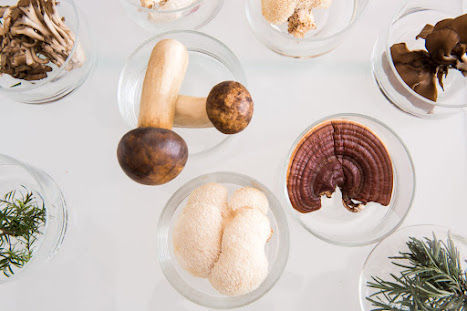
Medicinal mushrooms have gained significant attention in recent years due to their potential benefits for individuals with cancer. While it's important to note that medicinal mushrooms should not replace conventional cancer treatments, they may provide certain advantages and support. Here are some potential benefits associated with medicinal mushrooms:
Immune system support: Certain medicinal mushrooms, such as reishi (Ganoderma lucidum), maitake (Grifola frondosa), and turkey tail (Trametes versicolor), contain compounds that can enhance immune function. These mushrooms can stimulate the activity of immune cells, such as natural killer cells and macrophages, which plays a crucial role in identifying and eliminating cancer cells.
Anti-inflammatory properties: Chronic inflammation is often associated with cancer progression. Some mushrooms, like shiitake (Lentinula edodes) and cordyceps (Cordyceps sinensis), possess anti-inflammatory properties. By reducing inflammation, these mushrooms may help create a less favorable environment for cancer cells to thrive.
Antioxidant effects: Many medicinal mushrooms are rich in antioxidants, such as polyphenols and beta-glucans. Antioxidants can neutralize free radicals in the body, which can damage cells and DNA and contribute to the development of cancer. By reducing oxidative stress, mushrooms can help protect healthy cells from damage.
Chemopreventive potential: Some medicinal mushrooms exhibit chemopreventive properties, meaning they may help prevent the development of cancer or inhibit its progression. For example, mushrooms like agaricus blazei and maitake have been studied for their potential to inhibit tumor growth and prevent metastasis in various types of cancer.
Supportive effects during treatment: Medicinal mushrooms can offer supportive benefits for individuals undergoing cancer treatments, such as chemotherapy and radiation therapy. They may help alleviate side effects like nausea, fatigue, and weakened immune function, thus improving one’s overall well-being.
It's important to emphasize that while medicinal mushrooms have shown promise in clinical trials, further research is needed to fully understand their efficacy, optimal dosages, and potential interactions with other medications. If you're considering using medicinal mushrooms as part of your treatment plan, it's essential to consult with a healthcare professional experienced in integrative oncology to ensure safe and appropriate use. Medicinal mushrooms are containdicated in certain cancers and there are several factors to consider:
Safety and Quality: Ensure that the medicinal mushrooms you plan to use are from a reputable source and have undergone quality testing. This can help ensure the product is free from contaminants and is properly labeled. It's also important to note that some wild mushrooms can be toxic, so caution should be exercised if harvesting mushrooms yourself.
Individualized Approach: Each person's cancer and treatment plan are unique. What works for one individual may not be appropriate for another. It's important to consult with an integrative oncology healthcare professional who can consider your specific situation, medical history, and treatment plan when recommending or discussing the use of medicinal mushrooms.
Scientific Evidence: While there is growing scientific interest in medicinal mushrooms, the research is still evolving. It's important to have realistic expectations and recognize that medicinal mushrooms should not replace conventional cancer treatments.
Potential Side Effects: While medicinal mushrooms are generally considered safe for most people, they can still cause side effects in some individuals. These may include gastrointestinal symptoms like nausea, diarrhea, or upset stomach. Allergic reactions are also possible, especially if you have a known allergy to mushrooms. Monitor your body's response to any supplements and discuss any concerns or side effects with your healthcare team.
Dosage and Formulation: Determining the appropriate dosage and formulation of medicinal mushrooms can be challenging, as research is still ongoing. Different mushrooms and products may have varying concentrations of active compounds. It's important to follow the recommended dosage instructions provided by the manufacturer or as advised by a knowledgeable healthcare professional.
Always remember that medicinal mushrooms should be seen as an integrative approach and not a substitute for conventional cancer treatments. It's crucial to have open and honest communication with your healthcare team, inform them of all the supplements you are considering, and seek their guidance to ensure your safety in your overall treatment plan.


